Blog

Discovering Volkswagen’s Golf GTI: A Legacy of Speed, Style, and Fun

Welcome back, my car enthusiasts! Lexie here, your friendly neighborhood Volkswagen researcher. Today, we’re going on a journey through the history and awesomeness that is the Volkswagen Golf GTI! If you have any questions or just want to chat about cars, you can reach me at lexie@mankatomotors.com or (507) 344-6984. Buckle up, because this ride is going to be fun!

The Birth of an Icon

The original Golf Mk1 was designed to replace the beloved but aging Volkswagen Beetle, for a refreshing new look. Launched in 1974, the Golf Mk1 was a front-engine, front-wheel-drive marvel that quickly became a hit. Since then, the Golf has become Volkswagen’s best-selling model and one of the world's top three best-selling cars, with over 35 million units sold as of 2019. Initially, most Golfs were three-door hatchbacks, but the lineup expanded to include five-door hatchbacks, estates, convertibles, and even a Golf-based saloon called the Jetta. We will get to all of these in later posts.

Meet the GTI: The “Hot Hatch” That Could

The real star of the show, however, is the Golf GTI. Introduced in 1976, the GTI variant of the Golf turned a practical family car into a high-performance thrill machine. It was the original "hot hatch," a term that has since become synonymous with sporty hatchbacks. The first GTI hit the scene with a 110 horsepower engine, and it’s been winning hearts (and races) ever since.

Generation Game: The Evolution of the GTI 

Let’s take a quick pit stop to look at the evolution of the Golf GTI through its generations:

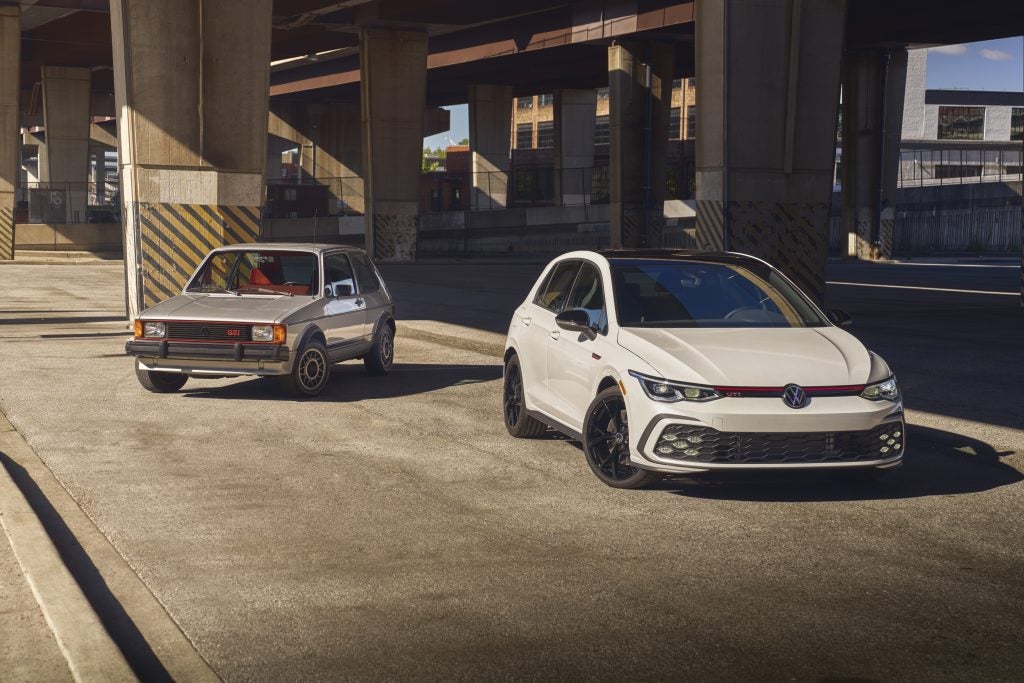
First Generation (1974-1983) - Mk1: The original GTI, known as the Rabbit in the US, the Caribe in Mexico, and the Polo in Europe set the stage with its compact size, sporty feel, and practical design.

Did you know: In the Latin American Market (mostly seen in Brazil) the Golf was called the GOL GTI and the Volkswagen Fox (1987-1993). In South Africa it was known as the Citi Golf from 1984-2009. 

Second Generation (1983-1992) - Mk2: Introduced the first generation of 4x4 drive with the Golf Syncro (Europe only).

Fun Fact: Another version of the Golf was called the Scirocco GTI (Mediterranean wind). Produced between 1974-1992 and sold in the North American and European Markets (a third generation 2008-2017 in Europe only).

Third Generation (1991-1997) - Mk3: Brought in innovations like the first turbocharged direct injection diesel engine and the VR6 engine.

Fourth Generation (1997-2003) - Mk4: Introduced the Golf R32, and the VW Lupo (European Market) thus keeping the GTI tradition alive with continued performance and style upgrades.

Fifth Generation (2003-2008) - Mk5: Reintroduced the Rabbit nameplate in the US and featured a turbocharged 2.0-litre engine with 197 hp. 

Fun Fact: The City Golf was also introduced into the Canadian Market in 2007 and was in production until 2010.

Sixth Generation (2008-2012) - Mk6: Designed by Walter de'Silva, this generation focused on aerodynamics and fuel efficiency.

Did you Know: That the Golf was originally sold as the Rabbit from the years 2006 to 2009, and then in 2010, Volkswagen brought back the Golf nameplate with the mid-year refresh! 

Seventh Generation (2012-2020) - Mk7: Featured the GTI Clubsport and offered a variety of drive systems, including petrol, diesel, CNG, electric, and plug-in hybrid.

Eighth Generation (2020-Present) - Mk8: Continues to thrill with its 2.0-liter TSI® turbocharged engine, producing 241 hp and 273 lb-ft of torque. The GTI 380 celebrates the heritage of the manual transmission, available in its final year of three-pedal production.

Special Editions and Racing Pedigree

Volkswagen knows how to keep the GTI exciting with special editions and racing versions of the GTI:

Rabbit Edition (2019): A limited edition with only 3,000 units made for the US market, featuring unique colors and upgraded features.

Golf GTI TCR (2016-2019): A track-focused version with 330 hp, developed by Volkswagen Motorsport for international competitions. 

The 2024 Golf GTI: A Modern Marvel

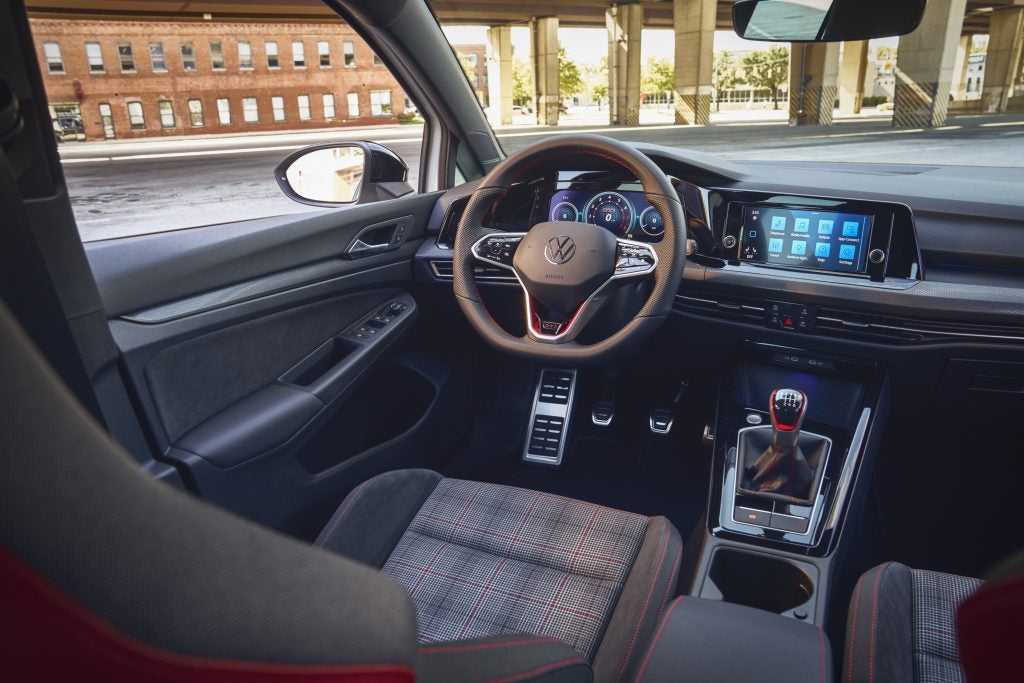
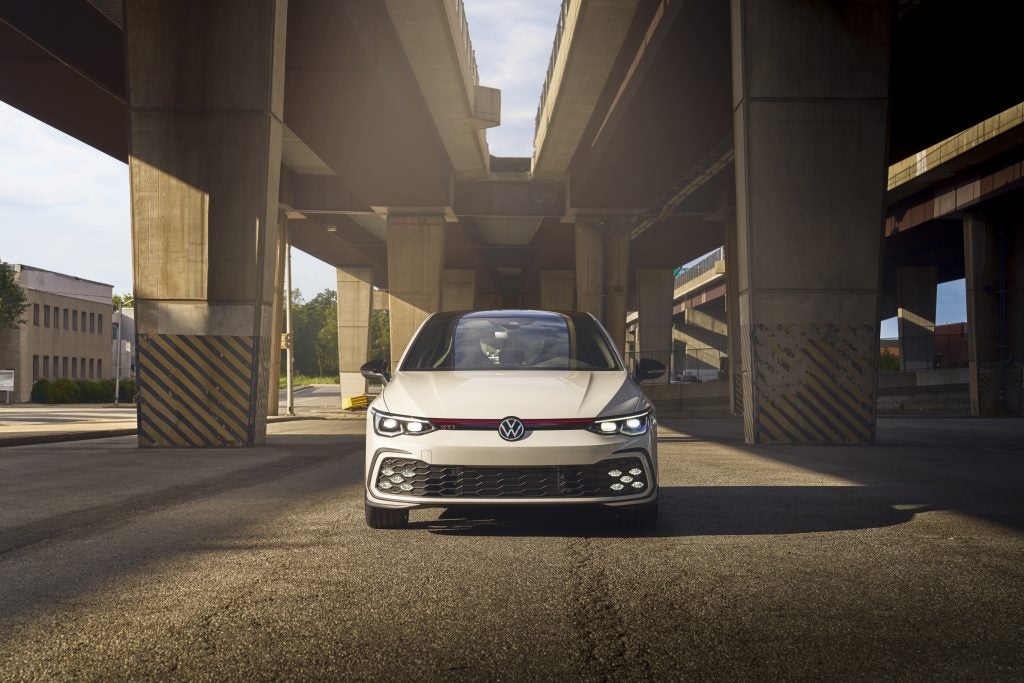
The latest Golf GTI keeps the purist happy while embracing modern technology. The 2024 model is powered by the EA888 2.0-liter engine, producing 241 hp and 273 lb-ft of torque. It comes with a choice of a 6-speed manual or a 7-speed DSG® transmission. Standard features include a torque-sensing limited-slip differential, 10.25-inch Digital Cockpit Pro, touch interfaces, 30-color ambient lighting, and IQ.DRIVE® driver assistance technology.
Fun and Practicality in One Package

The Golf GTI isn’t just about speed; it’s also about comfort and customization. With driving modes like “Comfort,” “Normal,” “Sport,” and “Custom,” you can tailor the driving experience to your liking. Plus, features like ESC Sport and ESC Off modes make it a blast for experienced drivers on closed courses. You could take this one to the races!

Conclusion: A Legacy That Keeps on Giving

From its humble beginnings to its current status as an icon, the Volkswagen Golf GTI has always been about blending practicality with performance. It’s the car that makes every drive exciting, whether you’re heading to the office or tearing up a racetrack.

So, there you have it—a brief (and fun) history of the Volkswagen Golf GTI. If you’re as excited about this car as I am, or if you have any questions, don’t hesitate to reach out. I’m Lexie, and you can contact me at lexie@mankatomotors.com or (507) 344-6984. Happy driving!
Recommended Posts

The Good, the Bad, and the Ugly, What is a CPO Vehicle?

Hey there, Volkswagen enthusiasts! Lexie here, your friendly neighborhood car aficionado from Mankato Volkswagen. Today, we're diving into the world of Certified Pre-Owned (CPO) vehicles. What exactly does CPO mean for you, the customer, and your soon-to-be beloved car? Let’s break it down with a dash of humor, a sprinkle of wisdom, and a whole lot of Volkswagen love. If you have any questions or cool VW stories you want to share, you can reach me at lexie@mankatomotors.com or (507) 344-6984. CPO: The Basics CPO stands for Certified Pre-Owned. But what does that really mean? Imagine a used car that’s gone through a rigorous boot camp, emerging as the elite among its peers, ready to serve you with reliability and a shiny new badge of honor. Requirements for Certification Before a vehicle can join the prestigious ranks of CPO, it must meet several criteria (and each brand will be a little different): Age: Typically, the car must be a 2018 or newer model. (No offense to classic car lovers!) Miles: The odometer should read under 75,000 miles. Think of it as “lightly seasoned” rather than “well-traveled.” Condition: The vehicle must be in good condition before inspection. No major accidents, flood damage, or fire damage allowed—those are deal breakers. Vehicle History: Every car has a story, and a CPO vehicle's story must be clean. We check for any severe damage in its past. Intense Inspection: This isn’t your average car wash and polish. Our technicians scrutinize over 100 plus points on the vehicle. Any necessary repairs (generally your normal wear and tear items) are made to ensure it’s in top shape. The Good, The Bad, and the Ugly of Buying a CPO Vehicle The Good: Benefits to the Buyer Newer Vehicle Without the New Car Price Tag: You get a newer model car without the hefty price tag. Low Mileage: Enjoy a vehicle that hasn’t been around the block too many times. Better Condition: CPO vehicles are typically in better shape than your average used car. Peace of Mind: Thanks to that intense inspection, you can drive confidently knowing your car has been thoroughly vetted. Warranty Benefits: Unlike regular used cars, CPO vehicles come with a manufacturer-backed warranty. More on that below! The Bad, and the Ugly: Things to Consider Brand Differences: There is no standard CPO program in the car industry… Each brand has its own CPO program, so it’s wise to do a little homework first. Dealer Certified vs. CPO: These are not the same. Dealer certified means the vehicle meets the dealership’s standards, but it’s not backed by the manufacturer like a true CPO. Higher Cost: CPO vehicles can cost more than other used vehicles, but you’re paying for the added assurance and benefits. Limited Options: The selection of CPO vehicles may be smaller compared to the general used car market. Volkswagen’s CPO Program Now, let’s talk about Volkswagen. Our CPO program is designed to give you maximum peace of mind and plenty of perks. But what exactly does that mean for you?  Here’s what you get: Warranty Coverage Model Year 2018 and 2019: 1-Year or 12,000-Mile (whichever comes first) Comprehensive Limited Warranty. Repairs covered by this warranty will be performed at no additional charge after a $50 deductible per dealer visit. It's like health insurance but for your vehicle. Model Year 2020 and Newer: 2-Year or 24,000-Mile (whichever comes first) Comprehensive Limited Warranty. Similar conditions apply. Electric Vehicles Model Year 2018 and Newer: 3-Year or 36,000-Mile (whichever comes first) Comprehensive Limited Warranty. Repairs covered by this warranty will also be performed at no additional charge after a $50 deductible per dealer visit. Side Note: Now remember the warranty is added on to what is left of the original warranty. For those of you who are unsure, Volkswagen's original warranty is 4 years or 50,000 miles. So you start from the vehicle's original in service date aka its purchase or lease date and add on, depending on where the vehicle falls with age and mileage. Roadside Assistance Two Years of 24-Hour Roadside Assistance: This includes towing to the nearest licensed authorized VW dealership, flat-tire changes, and jump starts. Roadside assistance is provided by a third party and may require additional payment for services rendered. CARFAX® Vehicle History Report CARFAX® Vehicle History Report: Every CPO Volkswagen comes with a CARFAX report. While Volkswagen doesn't warrant the accuracy of these reports, they provide valuable insight into the vehicle's history. SiriusXM® Three Months of SiriusXM®: If your CPO vehicle is SiriusXM® equipped, you’ll enjoy three months of premium programming at no additional charge. (Because what’s a road trip without some great tunes?) 100+ Point Dealer Inspection Comprehensive Dealer Inspection: This includes checking the engine, transmission, brakes, steering, and more to ensure your Volkswagen meets our high standards. Conclusion Buying a CPO vehicle is like getting the best of both worlds: the assurance of a new car and the savings of a used one. With Volkswagen’s CPO program, you can hit the road with confidence, knowing your vehicle has been thoroughly inspected and comes with robust warranty coverage. Have more questions? Feel free to reach out to me, Lexie, at lexie@mankatomotors.com or (507) 344-6984. Happy driving!
Volkswagen's Green Revolution: Driving Towards a Sustainable Future

Hello, eco-conscious readers! I'm Lexie, and today I’m excited to share how Volkswagen is making strides to protect our environment. As a Volkswagen enthusiast and representative, I’m here to spread the word about the brand’s commitment to environmental sustainability. If you have any questions or want to learn more, please reach out to me at lexie@mankatomotors.com or call (507) 344-6984. Now, let’s dive into the green initiatives that Volkswagen is pioneering around the globe and here in North America! Volkswagen's Green Commitment: The "goTOzero" Mission Volkswagen Group's environmental mission statement, "goTOzero," encapsulates their commitment to reducing the environmental impact of their products and mobility solutions. This mission spans the entire lifecycle of a vehicle, from raw material extraction to end-of-life disposal. The goal? To preserve ecosystems, minimize emissions, and contribute positively to society. The mission is regularly updated to address new environmental challenges and innovations. Understanding Biodiversity: Why It Matters For You Biodiversity, the variety of life on Earth, is crucial for the health of our ecosystems. It includes species diversity, genetic diversity, and ecosystem diversity. Conservation projects aimed at protecting biodiversity help ecosystems adapt to environmental changes, provide essential services like clean air and water, and support the balance of our planet. Volkswagen's Global Conservation Efforts Volkswagen is involved in numerous conservation projects worldwide, demonstrating their commitment to protecting biodiversity and ecosystems. Here are some highlights: Electrify America Solar Glow™ 1: A 75MW photovoltaic project in San Bernardino County, USA, supporting renewable energy production. wpd Wind Farm Aldermyrberget: Located in Skellefteå, Sweden, this wind farm contributes to clean energy solutions. Carbon Forest in Poznań: Volkswagen Commercial Vehicles has established this project to offset carbon emissions and support local ecosystems. Peatland Protection and River Renaturation: Initiatives in Germany by Volkswagen Financial Services focus on restoring natural landscapes and water systems. Green Belt Project in China: Volkswagen Group China works to create green spaces that support local biodiversity. Reforesting Efforts in Mexico: In the Iztaccíhuatl-Popocatépetl national park, native plants are being reintroduced to restore natural habitats. Dyer Island Conservation Trust Collaboration: In South Africa, Volkswagen supports efforts to protect sharks and penguins, crucial species in the local ecosystem. Innovative Initiatives: The Chattanooga Solar Park and Sheep Volkswagen's solar park in Chattanooga, Tennessee, is a prime example of their commitment to sustainability. This facility, one of the largest at a U.S. auto plant, features a 9.5-megawatt solar system that provides up to 12.5% of the plant's electricity needs during full production. To maintain the solar farm's grass, Volkswagen employs sheep, which graze and naturally fertilize the soil, offering an eco-friendly alternative to mechanical mowers. To protect the sheep from predators, "rescue" donkeys are employed as guardians, creating a unique and symbiotic relationship between agriculture and industry. Fun fact: The herd of 50 some sheep and a few rescue donkeys are actually able to get into the tight spots around the solar panels. Whereas the mowers and weed wackers can not reach some of these spots without potentially damaging the panels or equipment. Wetlands Restoration and Forest Conservation In 2009, Volkswagen Chattanooga pledged to restore over 40 acres of wetlands, creating habitats for nearly 200 bird species and other wildlife. Additionally, Volkswagen donated $1.25 million to The Conservation Fund to protect 1,500 acres in the Cherokee National Forest, enhancing wildlife habitats and providing recreational opportunities for the public. The Vision of the "Zero Impact Factory" Volkswagen envisions the "Zero Impact Factory," an idealized factory that operates with minimal environmental impact. This initiative aims to implement climate-friendly, resource-efficient, and environmentally sound production processes across all Volkswagen brands and sites around the world. How Dealerships Can Go Green Volkswagen encourages its dealerships to adopt eco-friendly practices, such as: Recycling Programs: Setting up recycling bins for batteries, tires, engine oil, antifreeze, and other materials. Energy Efficiency: Installing LED lighting and utilizing natural light through skylights and larger windows. Water Conservation: Implementing low-flow toilets and faucets, and recycling water in car washes. Sustainable Products: Using recycled materials, biodegradable key tags, and other eco-friendly products. Volkswagen's commitment to sustainability goes beyond just manufacturing cars; it encompasses a holistic approach to environmental stewardship. From renewable energy projects to wildlife conservation and eco-friendly manufacturing practices, Volkswagen is leading the charge toward a greener future. For more information or to share your thoughts, please contact me at lexie@mankatomotors.com or (507) 344-6984. Let's drive towards a more sustainable world together!

The Volkswagen ID. Buzz: A Retro Ride Into the Electric Future

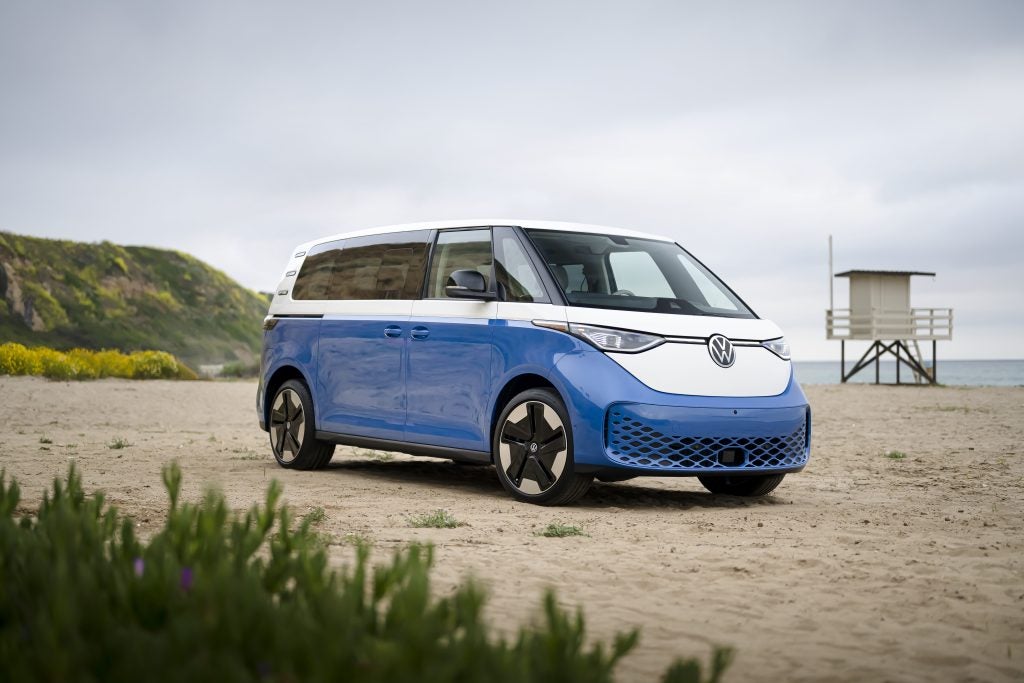
Hey, Volkswagen fans, I’m Lexie and I'm here to tell you about the futuristic VW Microbus! Get ready, because the Volkswagen ID. Buzz is about to electrify your world—literally. This isn't just any minivan; it's a revival of the iconic VW Microbus, updated for the 21st century and ready to hit the roads in December 2024 (in the U.S.). Whether you're a fan of that classic retro vibe or excited about the future of electric vehicles, the ID. Buzz is the perfect blend of both worlds. Let’s take a closer look at what makes this vehicle buzzworthy! Throwback Thursday Meets Futuristic Friday If you’ve ever seen an old-school Volkswagen Type 2 Microbus, you know it's a symbol of free-spirited adventure. Well, the ID. Buzz takes that nostalgia and adds some serious futuristic flair. It still has that oversized VW logo and short overhangs, but now it’s loaded with tech and eco-friendly features, all wrapped up in a sleek, electric package. Fun Fact: The T2 ( built between 1967-1979), also known as the "Bay Window" due to its single, curved windshield. You can even go wild with your choice of color schemes, both inside and out! Who says your car can't have personality? Customize Your Buzz One of the coolest things about the ID. Buzz is that it’s practically a canvas on wheels. The exterior comes in a variety of single-tone and two-tone color options, including eye-catching combos like Candy White with Pomelo Yellow or Metro Silver with Cherry Red. Did You Know: For those who love to go the extra mile (pun intended), Wrapmate offers custom graphics, so you can give your ID. Buzz that personal flair. With tons of design options you can go wild! (Works for other VW vehicles as well) Step inside, and it gets even better. Volkswagen has curated three interior color worlds for the North American models: Copper, Dune, and Moonlight. Whether you want mid-century modern vibes with brown leatherette seats and yellow piping (Copper) or a coastal-inspired interior with clay-colored accents (Dune), there’s something for every taste. And if you prefer a moody, darker look, the Moonlight option has you covered with its dark wood-look dash and blue door inserts. It’s Not Just a Buzzword—It’s a Revolution Of course, the ID. Buzz isn’t just about looks. It’s part of Volkswagen’s push towards a greener future. The ID. Buzz is 100% electric, which means zero tailpipe emissions. You can drive in style while knowing you’re doing your part to help the planet. In fact, Volkswagen has gone all out to make sure the ID. Buzz is as sustainable as it is stylish. The van is built in a factory powered by renewable energy, and recycled materials are used throughout the interior. So, whether you’re hitting the highway or just cruising around town, you’ll be reducing your carbon footprint in style. Ready to Buzz Into the Future? If you’re as excited about the ID. Buzz as I am, keep your eyes peeled—this retro-futuristic ride is set to hit U.S. dealerships by December 2024. Whether you're looking for a spacious family van, a customizable adventure-mobile, or just something that turns heads wherever you go, the ID. Buzz has got you covered. Have questions about the ID. Buzz or ready to reserve yours? Feel free to reach out to me at lexie@mankatomotors.com or give me a call at (507) 344-6984. I’m always happy to help! In the meantime, keep dreaming about your next road trip—because the future of driving is electric, and it looks amazing.