

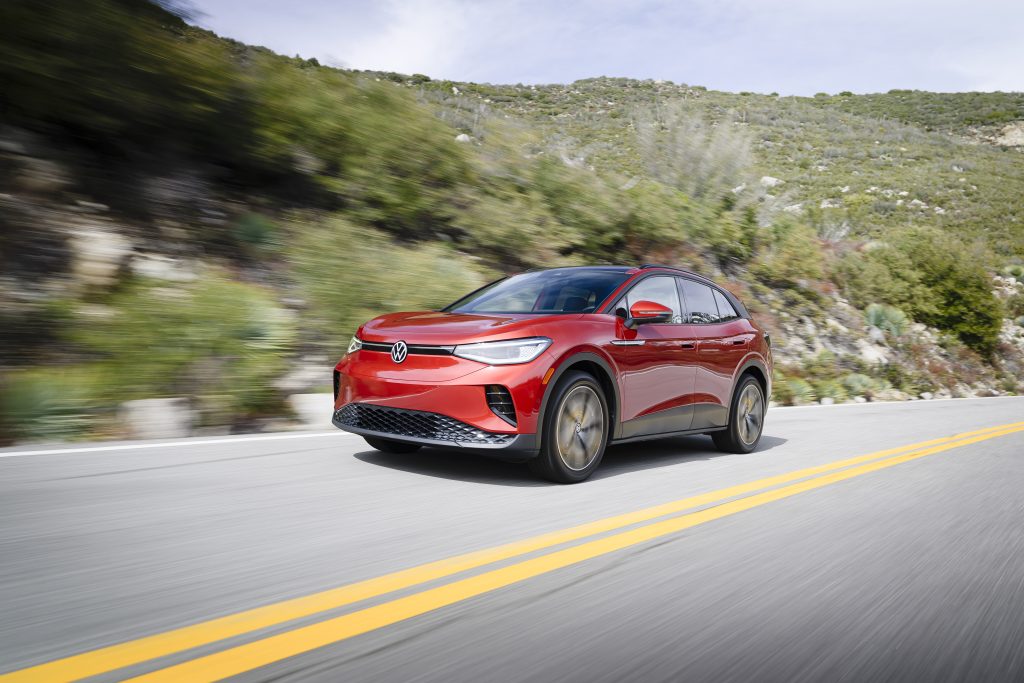
Hello, eco-conscious readers! I’m Lexie, and today I’m excited to share how Volkswagen is making strides to protect our environment. As a Volkswagen enthusiast and representative, I’m here to spread the word about the brand’s commitment to environmental sustainability. If you have any questions or want to learn more, please reach out to me at lexie@mankatomotors.com or call (507) 344-6984. Now, let’s dive into the green initiatives that Volkswagen is pioneering around the globe and here in North America!
Volkswagen’s Green Commitment: The “goTOzero” Mission
Volkswagen Group’s environmental mission statement, “goTOzero,” encapsulates their commitment to reducing the environmental impact of their products and mobility solutions. This mission spans the entire lifecycle of a vehicle, from raw material extraction to end-of-life disposal. The goal? To preserve ecosystems, minimize emissions, and contribute positively to society. The mission is regularly updated to address new environmental challenges and innovations.
Understanding Biodiversity: Why It Matters For You
Biodiversity, the variety of life on Earth, is crucial for the health of our ecosystems. It includes species diversity, genetic diversity, and ecosystem diversity. Conservation projects aimed at protecting biodiversity help ecosystems adapt to environmental changes, provide essential services like clean air and water, and support the balance of our planet.
Volkswagen’s Global Conservation Efforts
Volkswagen is involved in numerous conservation projects worldwide, demonstrating their commitment to protecting biodiversity and ecosystems. Here are some highlights:
- Electrify America Solar Glow™ 1: A 75MW photovoltaic project in San Bernardino County, USA, supporting renewable energy production.
- wpd Wind Farm Aldermyrberget: Located in Skellefteå, Sweden, this wind farm contributes to clean energy solutions.
- Carbon Forest in Poznań: Volkswagen Commercial Vehicles has established this project to offset carbon emissions and support local ecosystems.
- Peatland Protection and River Renaturation: Initiatives in Germany by Volkswagen Financial Services focus on restoring natural landscapes and water systems.
- Green Belt Project in China: Volkswagen Group China works to create green spaces that support local biodiversity.
- Reforesting Efforts in Mexico: In the Iztaccíhuatl-Popocatépetl national park, native plants are being reintroduced to restore natural habitats.
- Dyer Island Conservation Trust Collaboration: In South Africa, Volkswagen supports efforts to protect sharks and penguins, crucial species in the local ecosystem.
Innovative Initiatives: The Chattanooga Solar Park and Sheep
Volkswagen’s solar park in Chattanooga, Tennessee, is a prime example of their commitment to sustainability. This facility, one of the largest at a U.S. auto plant, features a 9.5-megawatt solar system that provides up to 12.5% of the plant’s electricity needs during full production. To maintain the solar farm’s grass, Volkswagen employs sheep, which graze and naturally fertilize the soil, offering an eco-friendly alternative to mechanical mowers. To protect the sheep from predators, “rescue” donkeys are employed as guardians, creating a unique and symbiotic relationship between agriculture and industry.
Fun fact: The herd of 50 some sheep and a few rescue donkeys are actually able to get into the tight spots around the solar panels. Whereas the mowers and weed wackers can not reach some of these spots without potentially damaging the panels or equipment.
Wetlands Restoration and Forest Conservation
In 2009, Volkswagen Chattanooga pledged to restore over 40 acres of wetlands, creating habitats for nearly 200 bird species and other wildlife. Additionally, Volkswagen donated $1.25 million to The Conservation Fund to protect 1,500 acres in the Cherokee National Forest, enhancing wildlife habitats and providing recreational opportunities for the public.
The Vision of the “Zero Impact Factory”
Volkswagen envisions the “Zero Impact Factory,” an idealized factory that operates with minimal environmental impact. This initiative aims to implement climate-friendly, resource-efficient, and environmentally sound production processes across all Volkswagen brands and sites around the world.
How Dealerships Can Go Green
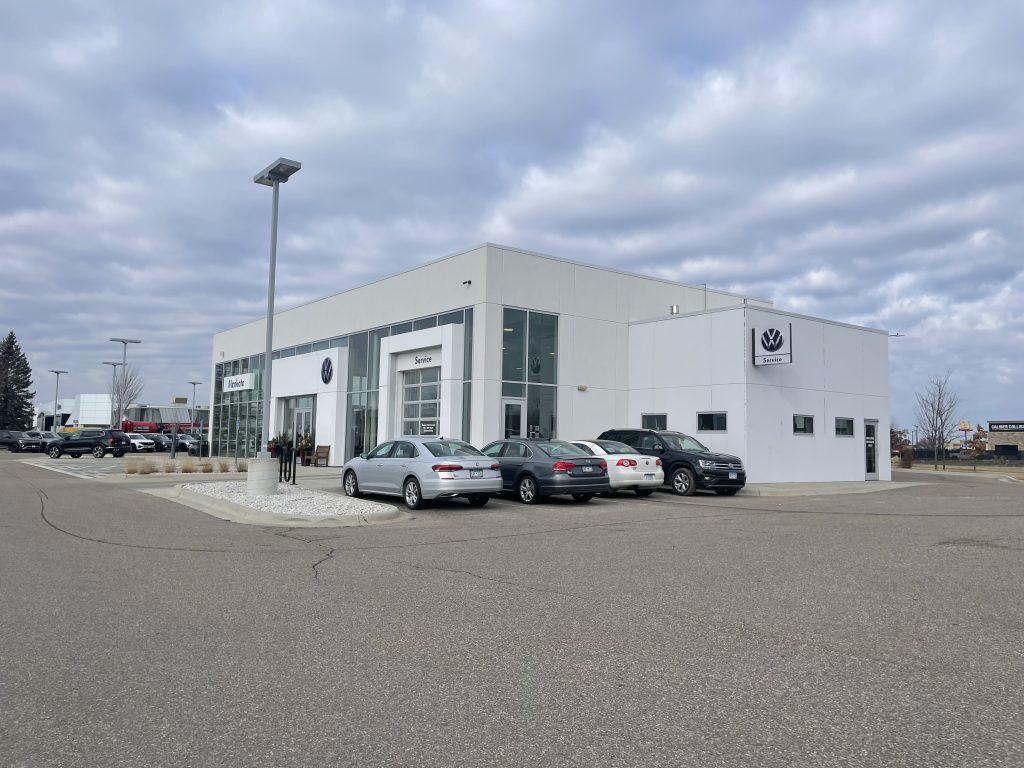
Volkswagen encourages its dealerships to adopt eco-friendly practices, such as:
- Recycling Programs: Setting up recycling bins for batteries, tires, engine oil, antifreeze, and other materials.
- Energy Efficiency: Installing LED lighting and utilizing natural light through skylights and larger windows.
- Water Conservation: Implementing low-flow toilets and faucets, and recycling water in car washes.
- Sustainable Products: Using recycled materials, biodegradable key tags, and other eco-friendly products.
Volkswagen’s commitment to sustainability goes beyond just manufacturing cars; it encompasses a holistic approach to environmental stewardship. From renewable energy projects to wildlife conservation and eco-friendly manufacturing practices, Volkswagen is leading the charge toward a greener future.
For more information or to share your thoughts, please contact me at lexie@mankatomotors.com or (507) 344-6984. Let’s drive towards a more sustainable world together!
Connect with us


Recent Blog Entries
- The Volkswagen ID. Buzz: A Retro Ride Into the Electric Future
- Volkswagen’s Green Revolution: Driving Towards a Sustainable Future
- The Quirky World of Günter Artz: Volkswagen’s Hidden Gem
- The Good, the Bad, and the Ugly, What is a CPO Vehicle?
- Hit the Road with Your Volkswagen: Midwest Adventures Await!